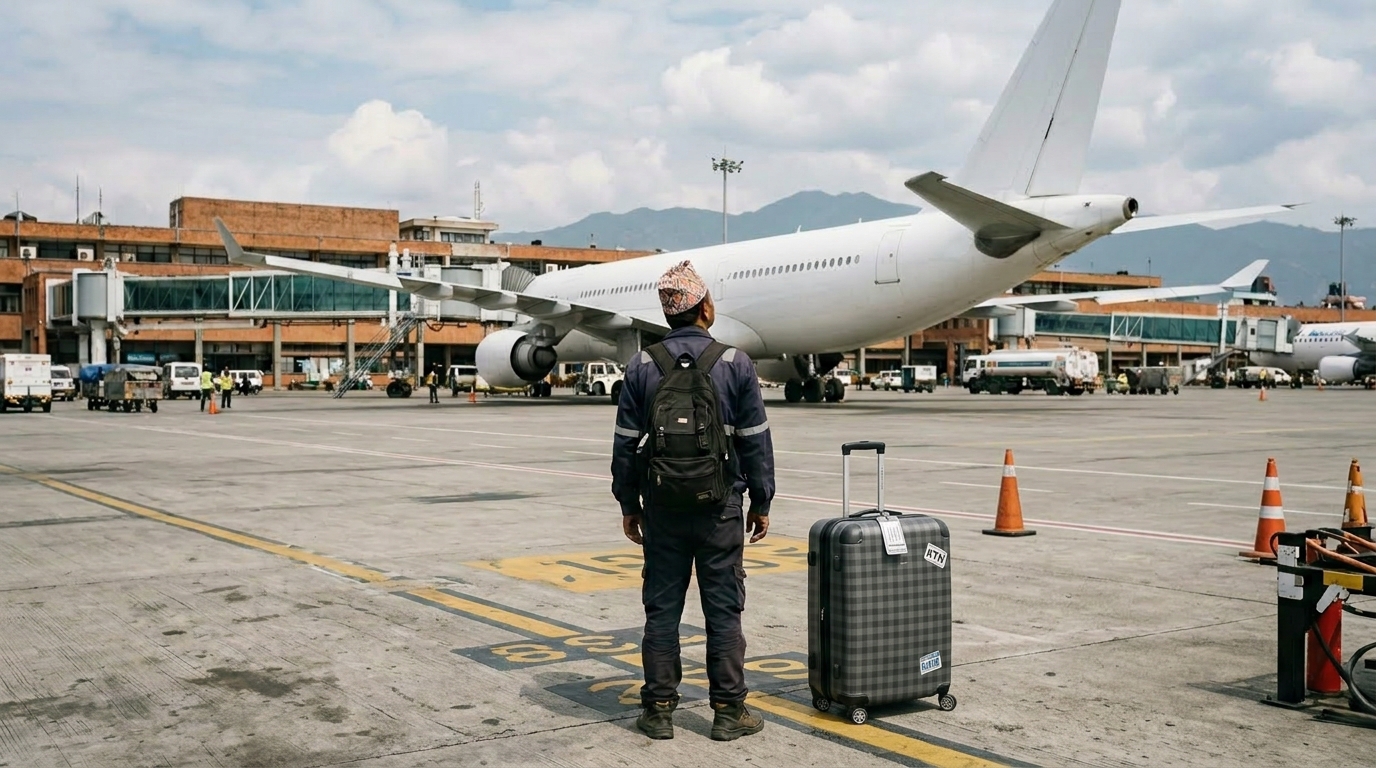


Global calls for ethical workforce practices and responsible recruitment are increasing as businesses, governments, and workers seek fair, safe and sustainable employment worldwide, according to recent insights from the International Labour Organization (ILO).
As labour markets evolve amid demographic changes, technological advancement and expanding global supply chains, the ILO highlights that ethical workforce supply is no longer just a corporate responsibility—it’s a strategic imperative for sustainable economic growth.
Ethical Workforce Practices Gain Momentum
The ILO’s work on decent work standards and responsible recruitment emphasizes that employers and recruitment partners must uphold ethical principles throughout the hiring and employment lifecycle. This includes fair contracts, transparent terms, respect for workers’ rights, elimination of unfair fees, and ensuring decent working conditions for both local and international workers. These principles are key to preventing exploitation and strengthening workforce resilience across sectors.
Decent Work in Supply Chains a Priority
Recent developments by the ILO illustrate a strong global focus on promoting decent work across supply chains. Tools such as the Decent Work in Supply Chains Evidence Hub and Digital Inspection Systems aim to support evidence-based policymaking and stronger enforcement of labour standards throughout complex global value chains. These initiatives help employers and policy makers identify risks, improve compliance, and ensure better working conditions for labourers at all levels of production and service delivery.
Fair Recruitment Standards Support Ethical Employment
The ILO continues to advocate for fair recruitment practices, encouraging policies that protect workers from high recruitment costs, discrimination, and exploitation. Fair recruitment standards also enhance labour mobility, enabling workers from diverse backgrounds to access opportunities without bearing undue financial or legal burdens.
Why Ethical Workforce Supply Matters Now
As global supply chains expand and companies increasingly recruit from international markets, ethical workforce practices are critical to maintaining business reputation, legal compliance, and long-term sustainability. Ethical labour supply strengthens employee trust and retention, reduces risks associated with informal or unsafe employment, and fosters equitable opportunities for workers worldwide.
For providers of workforce solutions, including recruitment agencies and employers in construction, manufacturing, agriculture and services, aligning operations with ethical standards is becoming a baseline expectation, not an aspirational goal.
Looking Ahead
The ILO’s renewed focus on ethical labour supply underscores a broader shift in global labour governance—one that places worker dignity and fairness at the centre of workforce strategy. As businesses adapt to these expectations, ethical recruitment and decent work practices are likely to become standard benchmarks for international hiring and workforce development.