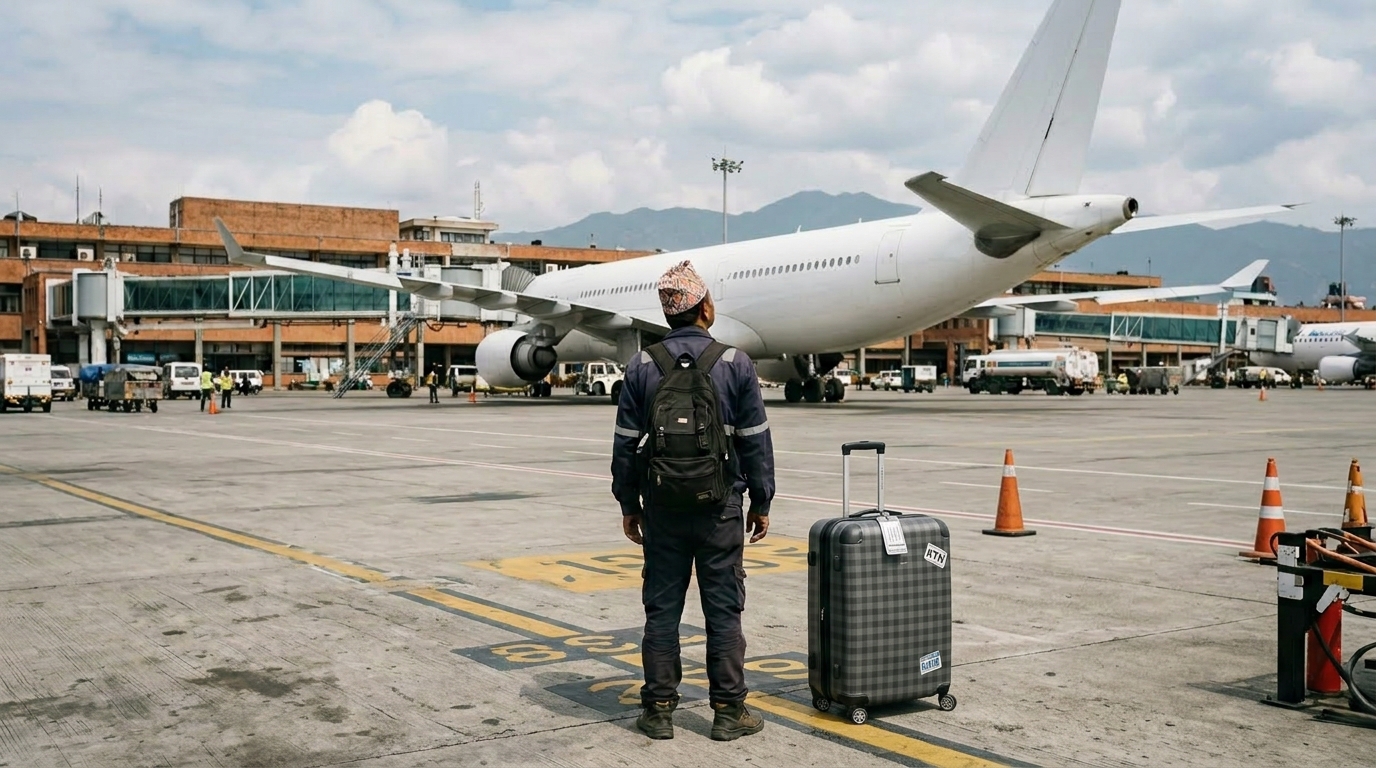


As remote work reshapes global labor markets, nomad pathways and global mobility programs are emerging as one of the most transformative opportunities for professionals and employers worldwide. Fueled by advancements in digital connectivity, changing workforce expectations, and evolving immigration policies, the future of work is increasingly borderless — creating new avenues for talent, innovation, and economic growth.
What Is the Nomad Pathway?
The “Nomad Pathway” refers to structured frameworks that support remote professionals — often called digital nomads — to live, work, and contribute economically across different countries. These pathways include specialized visas, bilateral mobility agreements, and global talent schemes that facilitate secure, compliant international employment without traditional long-term relocation constraints.
Growing Demand for Global Mobility
In response to rising demand from professionals seeking flexibility and employers needing access to global talent, many countries have introduced or expanded mobility programs tailored to digital nomads and remote workers. These initiatives often provide extended stays, tax incentives, and simplified registration procedures, enabling skilled workers to live abroad while contributing to local economies.
Key factors driving the expansion of nomad pathways include:
- Increasing remote work adoption across industries
- A shift toward experience-led lifestyles among professionals
- Rising global competition for specialized skills
- Strategic talent attraction by governments facing demographic challenges
Global Benefits for Workers and Economies
Global mobility programs offer significant benefits:
- For professionals — the ability to work internationally without traditional immigration barriers; enriched cultural experiences; and expanded professional networks.
- For host countries — economic stimulation through spending, innovation influx, and enhanced global engagement.
- For employers — access to a wider talent pool, increased productivity, and flexible workforce structures that support business growth.
Industries such as technology, consulting, creative services, and digital media are already integrating mobility pathways into hiring strategies — setting a precedent that other sectors are beginning to follow.
Regional Trends in Nomad Mobility
Countries in Europe, Asia, and the Americas are increasingly positioning themselves as attractive hubs for remote professionals. Through programs that combine quality of life, robust digital infrastructure, and favorable regulations, nations are tapping into the nomad economy to drive tourism, investment, and talent retention.
Challenges and Responsible Implementation
While the nomad pathway presents immense opportunities, it also necessitates thoughtful governance. Policymakers must balance flexibility with fair labour practices, tax compliance, and social benefits frameworks. Employers and workforce partners must ensure ethical recruitment, transparent contracts, and adequate support for international workers navigating global mobility.
The Road Ahead
The future of nomad pathways and global mobility programs is promising. As more countries refine their policies and employers embrace distributed workforce models, opportunities for professionals to work confidently on a global scale are on the rise.